Bryony Shannon
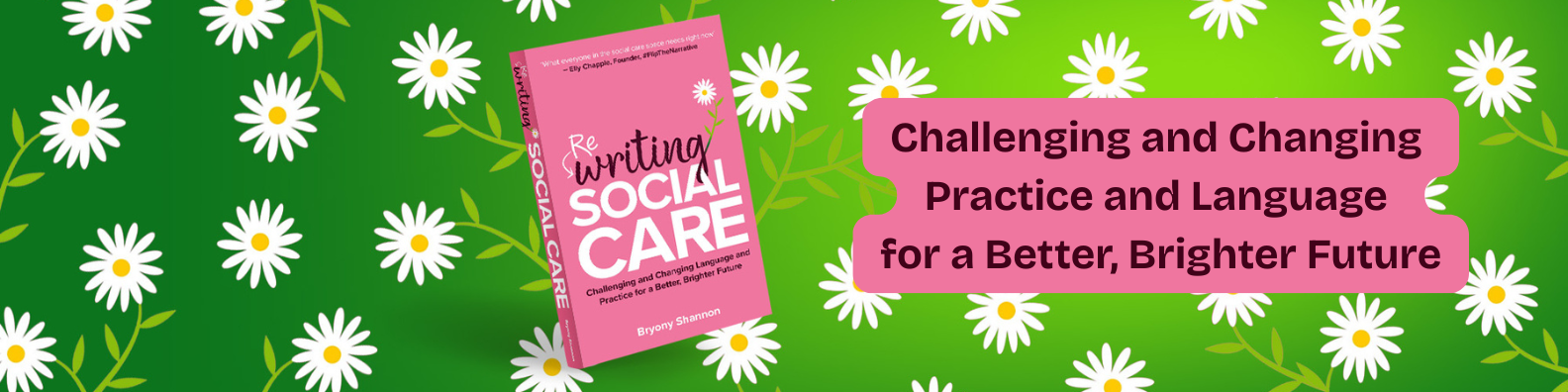
Author of the popular Rewriting Social Care blog and book ‘Rewriting Social Care: Challenging and Changing Language and Practice for a Better, Brighter Future‘.
Almost 20 years’ experience in adult social care information, communications and practice development.
Working with organisations to challenge and change language and practice.

The way we communicate directly with people matters, and the way we communicate about people, and about our purpose and practice matters too. The words we use reflect our values and influence the way we think, feel, and behave. But I genuinely believe that because the language of the social care world is so deeply entrenched, we don’t think enough about the true meaning or impact of the words we use, the story they tell, and the future they shape.
Our better, brighter social care future is one with people and communities and stories and relationships and dreams and love and good lives and hope at its heart. A whole new language. Social care rewritten.
“Bryony’s writing is a lighthouse of compassion and humanity in the field of social care.
Her insightful perspectives and sensitivity in approach not only inform but also inspire, providing invaluable clarity and understanding to a complex and vital subject.“
Dr Clenton Farquharson CBE, Associate Director, Think Local Act Personal
“Bryony is an extraordinary person and professional whose work is deeply rooted in the principles of genuine and authentic co-production. Through her insightful work, Bryony challenges the status quo and pushes for a culture shift within large organisations, particularly local government.
What sets Bryony apart is her ability to make complex and often daunting topics not only accessible but also engaging and fun. Her passion for inclusion and her critical approach to systemic change are evident in every piece she writes and every project she undertakes.
Bryony consistently brings a fresh and thought-provoking perspective that is both inspiring and actionable. Her work is not just important – it’s essential for anyone committed to making social care more inclusive, responsive, and human-centred.“
 Rewriting Social Care